
Date
2024
Type
Published Document – Design Guideline
Client
İstanbul Metropolitan Municipality
Location
Beşiktaş
beşiktaş köyiçi participatory urban design guideline / feasibility report
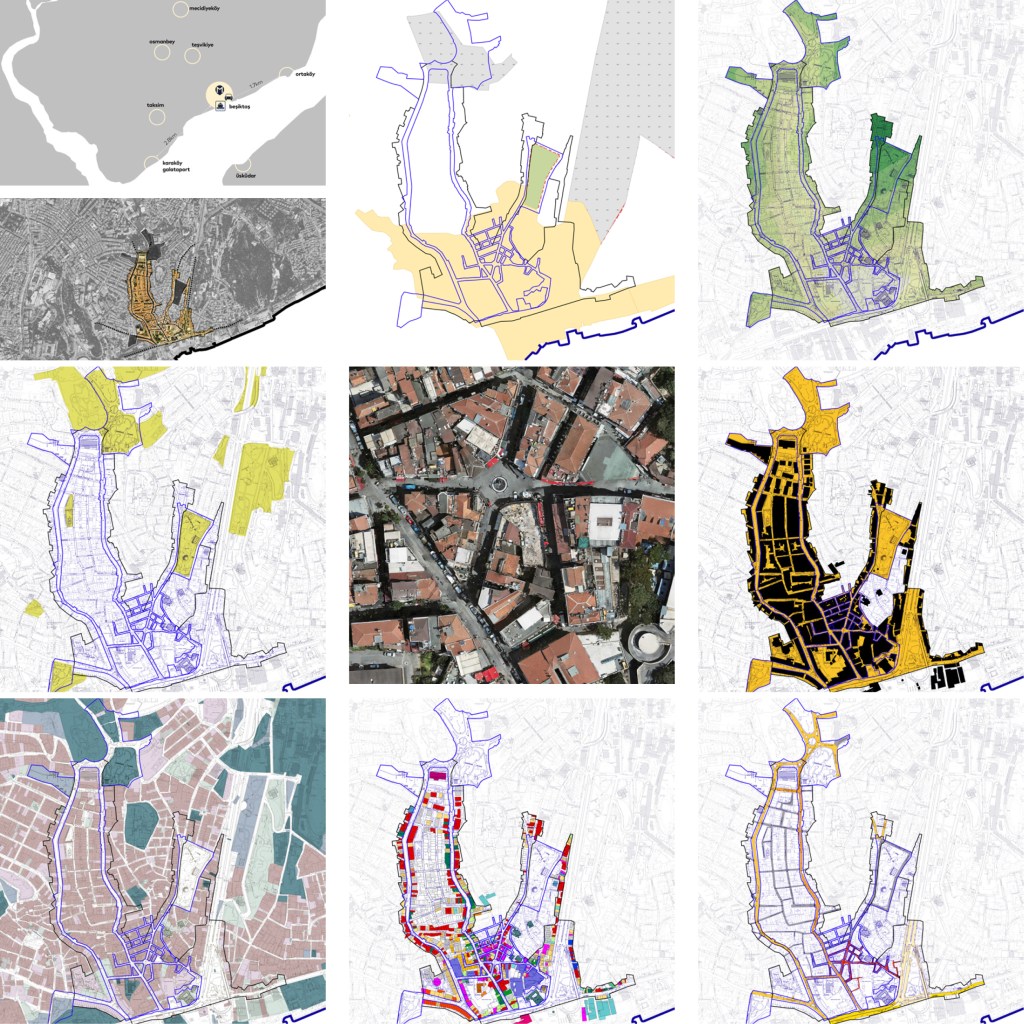
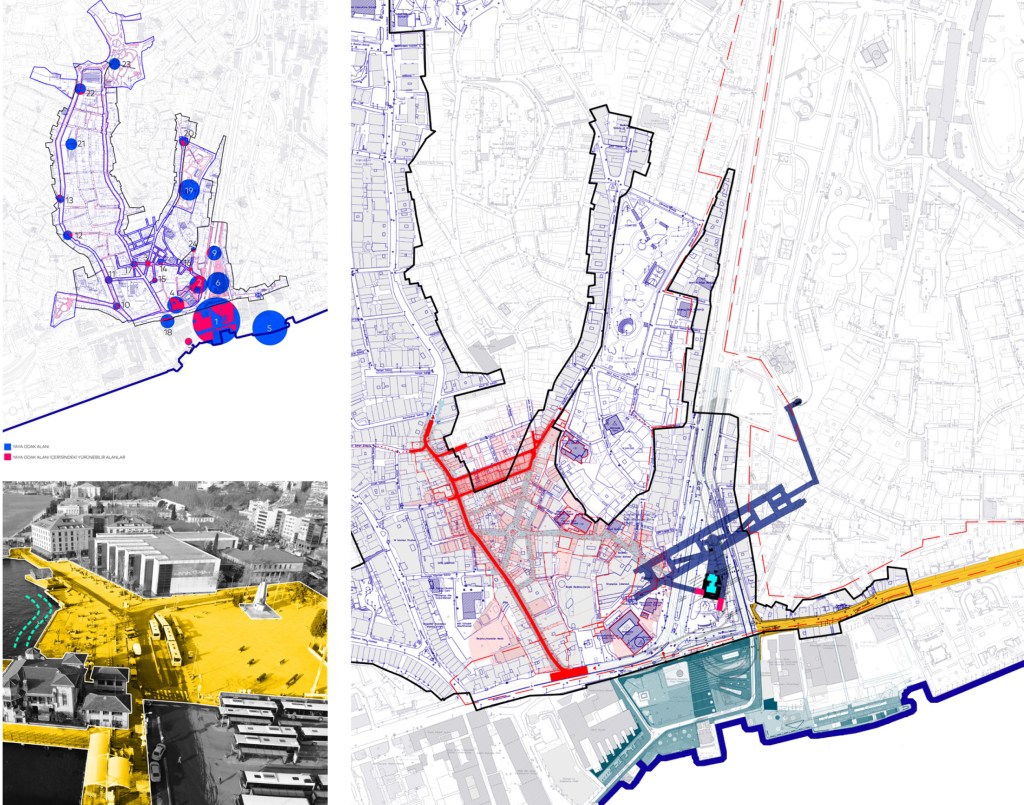
This project involves evaluating the public open spaces along the coastline and within walking distance of the Beşiktaş district from historical, cultural, and social perspectives. It aims to identify tactical interventions that can be made to establish a holistic pattern, linking these areas with key commercial axes, transportation hubs, and green spaces, and to report on their feasibility.
■ Identifying the necessary types of interventions to ensure a comfortable neighborhood experience for Beşiktaş users (students, residents, visitors),
■ Determining intervention strategies for potential locations—also suitable in terms of ownership that can connect with the overall open space pattern,
■ Classifying the spatial development pattern according to usage types and phasing the required interventions accordingly,
■ Dispersing the concentration caused by commercial activities across the district to create a more homogeneous distribution,
■ Outlining a roadmap to guide efforts toward establishing a manageable model for commercial functions within the district,
■ Serving as a roadmap and superposed framework for potential future projects in Beşiktaş, are among the secondary objectives of the report.
Before starting the preparation of the report, some fundamental principles were
established, and all inspections and analyses were conducted within the framework of these principles. In every analysis, feasibility assessment, and subsequent interventions or projects, the following key principles were adopted:
■ Ensuring accessible design for all by providing safe pedestrian access, considering people with disabilities, elderly, and children at every level,
■ Meeting access standards for disadvantaged individuals on all sloped areas, stairs, and ramps,
■ Preserving the natural, cultural, architectural, historical, economic, social, aesthetic, and visual values, as well as the unique identity of the environment and region,
■ Ensuring proposed project ideas are feasible legally, administratively, economically, and technically,
■ Enhancing environmental quality with designs compatible with the surroundings during project development,
■ Designing according to the current usage and function,
■ Using permeable and natural materials especially in park areas,
■ Strict protection of existing natural assets,
■ Clearly defining sub-areas in parks with functional uses (seating, children’s playground, activities, etc.),
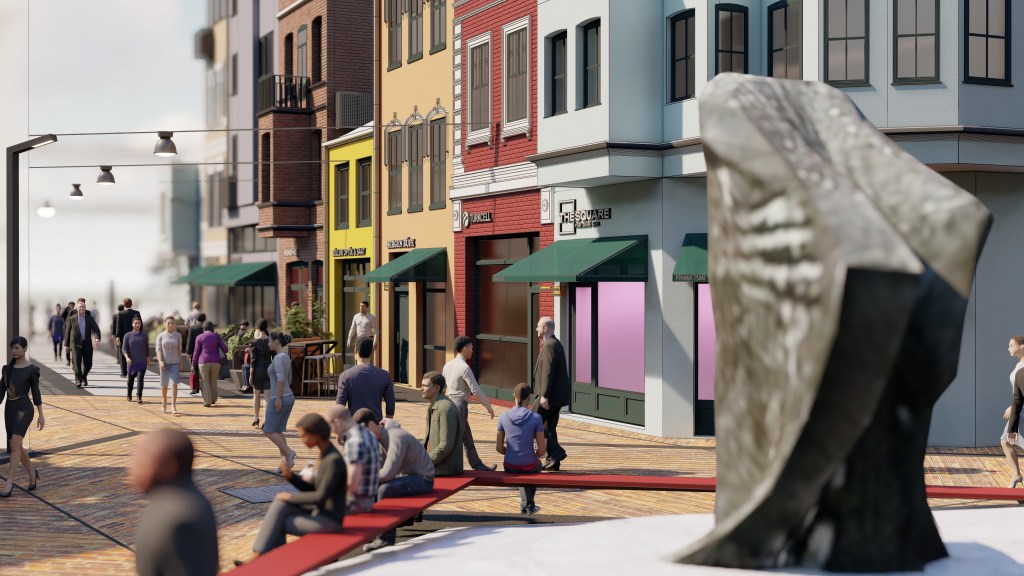
■ Prioritizing pedestrian use in the design of proposed spaces,
■ Integrating all information systems with an unified design language,
■ Maintaining simplicity in building facades within project areas,
■ Carefully addressing micromobility elements as a separate topic. These are the fundamental principles agreed upon to be followed throughout the project.
.
 das.dis.dos